by
American Diamond Logistics
on
July 6, 2026
•
0 min read

Freight claims—resulting from cargo loss or damage in transit—are persistent concerns for logistics professionals. These claims can lead to direct financial losses, strained customer relationships, and greater administrative burden. One of the most effective ways to reduce claims is a robust focus on packaging and load securement throughout the shipping process. This article examines best practices and the latest thinking in packaging and load securement to help logistics providers minimize claims and boost operational efficiency.
Most freight claims arise from inadequate packaging or improper load restraint. Common causes include:
Addressing these factors at the source—packaging and securement—can sharply decrease claim incidence.
Different cargo types demand specific packaging materials and methods. Heavy, dense items may require double-walled boxes, corner protectors, or anti-slip sheets, while fragile goods benefit from foam inserts, bubble wrap, or molded pulp trays. Selection should be informed by weight, shape, fragility, and mode of transportation.
Packaging is not an area for cost-cutting. Corrugated boxes should meet a suitable edge crush or burst strength rating for the product and shipping conditions. Stretch film, strapping systems, and dunnage must be matched to the load weight and pressure points to ensure maximum protection throughout the journey.
Clear labeling ensures that handling instructions are easily visible, reducing incidents of mishandling. Standardized, durable labels—water-resistant or tamper-evident, if necessary—communicate critical information, such as orientation (“This Side Up”) and sensitivity (“Fragile”).
Correct palletizing techniques help distribute weight evenly and prevent movement. Tips include:
Additionally, selecting high-quality, uniform pallets reduces the risk of collapse or breakage during transit.
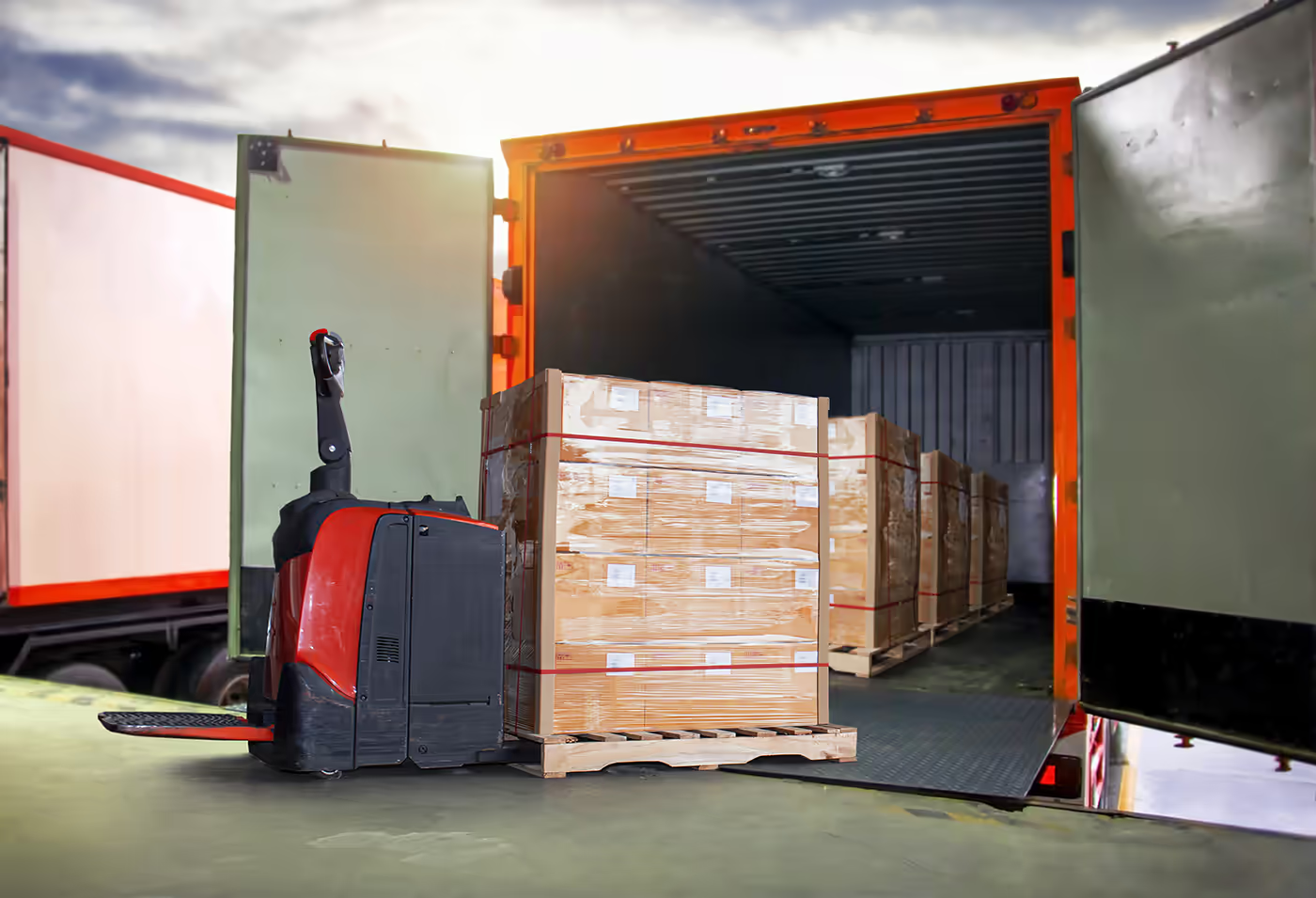
Securing the load on the pallet and within the trailer is essential. Utilize stretch wrap, banding, and anti-slip mats to immobilize products. Inside trailers, E-track, load bars, or airbags can stabilize cargo and prevent shifting caused by sudden stops or turns.
Properly distributed weight prevents axles from overloading and enhances trailer handling. Blocking and bracing—using physical barriers such as boards, air bags, or bulkheads—ensures items remain in place and reduces the risk of impact damage.
Employee Training
Employees at every stage, from warehouse operations to truck loading, should receive recurrent training on proper packaging and securement methods. Training programs should emphasize inspection procedures and the use of personal protective equipment (PPE) to maintain safety and effectiveness.
Adoption of Technology
Advanced technology—such as shock sensors, pressure indicators, and load stability monitors—can provide real-time feedback, alerting logistics teams to issues before damage occurs. Investing in these solutions can further mitigate risk and optimize operations.
Maintaining comprehensive documentation about packaging requirements, securement methods, and incident reports enables root cause analysis for any claims that still arise. Logistics professionals should treat claims as opportunities for process improvement. Reviewing trends and implementing corrective actions help build a resilient supply chain over time.
The best practices in packaging and securement are only as strong as the partners implementing them. Working with reputable carriers and warehouse providers ensures standardized protocols are followed, reducing the likelihood of claims. Leveraging expertis —such as those offered by ADL’s full truckload services, can help enforce high standards throughout the transportation cycle.
Additionally, warehousing partners with strong receiving and outbound inspection practices enhance visibility to potential risk factors before cargo even leaves the facility.
Minimizing freight claims not only reduces direct costs but also strengthens customer trust and satisfaction. Successful cargo delivery, free from loss or damage, is a cornerstone of logistics excellence. By prioritizing tailored packaging solutions, robust load securement, comprehensive training, and the right technology, logistics professionals can significantly decrease claims and reinforce their reputation in the industry.