by
American Diamond Logistics
on
June 29, 2026
•
0 min read

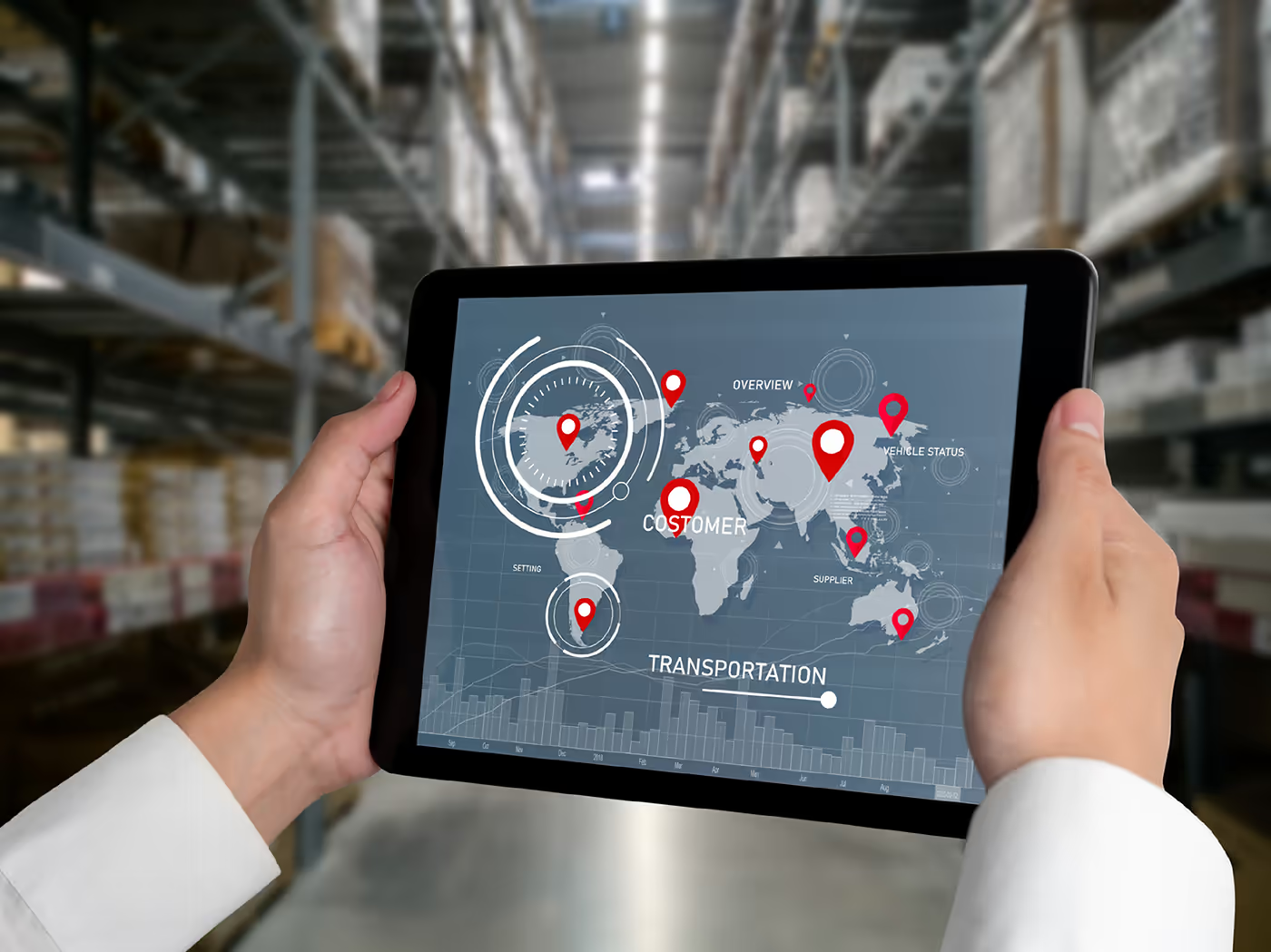
Efficient regional distribution stands as a cornerstone of modern logistics, where time-sensitive deliveries and ever-increasing customer expectations challenge supply chain managers. The art and science of multi-stop routing optimization enables organizations to maximize fleet efficiency, minimize travel distances, and decrease transportation costs. For logistics professionals, understanding and implementing successful multi-stop routing is crucial for maintaining competitiveness and service quality in regional distribution.
Regional distribution networks frequently require shipments to be picked up or dropped off at multiple locations in a single journey. Without intelligent planning, drivers may cover unnecessary miles, consume more fuel, struggle with time windows, and miss service-level agreements. Multi-stop routing optimization is the process of structuring these routes so that every mile, every minute, and every stop adds value instead of cost.
Adopting effective multi-stop routing methods helps logistics providers to:
Successful multi-stop routing depends on balancing a range of constraints and goals, including:
Software platforms have emerged as indispensable tools in the route optimization landscape. These solutions use advanced algorithms, real-time mapping data, and predictive analytics to generate the most effective routes automatically.
Technological advancements have revolutionized multi-stop routing for regional distribution. Leading route optimization software integrates with telematics, TMS (Transportation Management Systems), and even warehouse management platforms.
A practical example comes from third-party logistics providers handling both full truckload (FTL) and less than truckload (LTL) shipments. Each type presents unique routing challenges, and technology helps unify planning across diverse customer needs. Learn more about FTL and LTL options here.
Regional distribution often relies on robust warehousing networks as points of origin for multi-stop routes. Synchronizing warehouse inventory availability and order picking with outbound route planning amplifies efficiency gains.
By integrating warehousing and routing systems, companies can:
For organizations seeking streamlined logistics, evaluating a partner’s warehousing capability is just as vital as their transportation expertise. Explore warehousing solutions designed for seamless regional distribution.
Even with best-in-class planning, regional distribution routing faces
ongoing hurdles:
Regular reviews, ongoing driver engagement, and feedback loops between planning and operations teams ensure continuous optimization, helping organizations stay ahead in a rapidly changing logistics landscape.
Key performance indicators (KPIs) can guide ongoing route optimization efforts, including:
Tracking these metrics over time delivers insight into both incremental improvements and system-wide efficacy.
Multi-stop routing optimization is no longer optional for regional distribution teams — it is essential for maintaining high performance in a cost-sensitive environment. As logistics networks grow more complex and customer expectations continue to climb, those who invest in technology, process discipline, and tight integration between warehousing and transportation will set themselves apart in the marketplace.
By embracing structured optimization and continuous improvement, logistics professionals can achieve operational efficiency, reduce costs, and deliver superior service, solidifying their role as trusted partners in the supply chain.