
by
American Diamond Logistics
on
March 6, 2026
•
0 min read

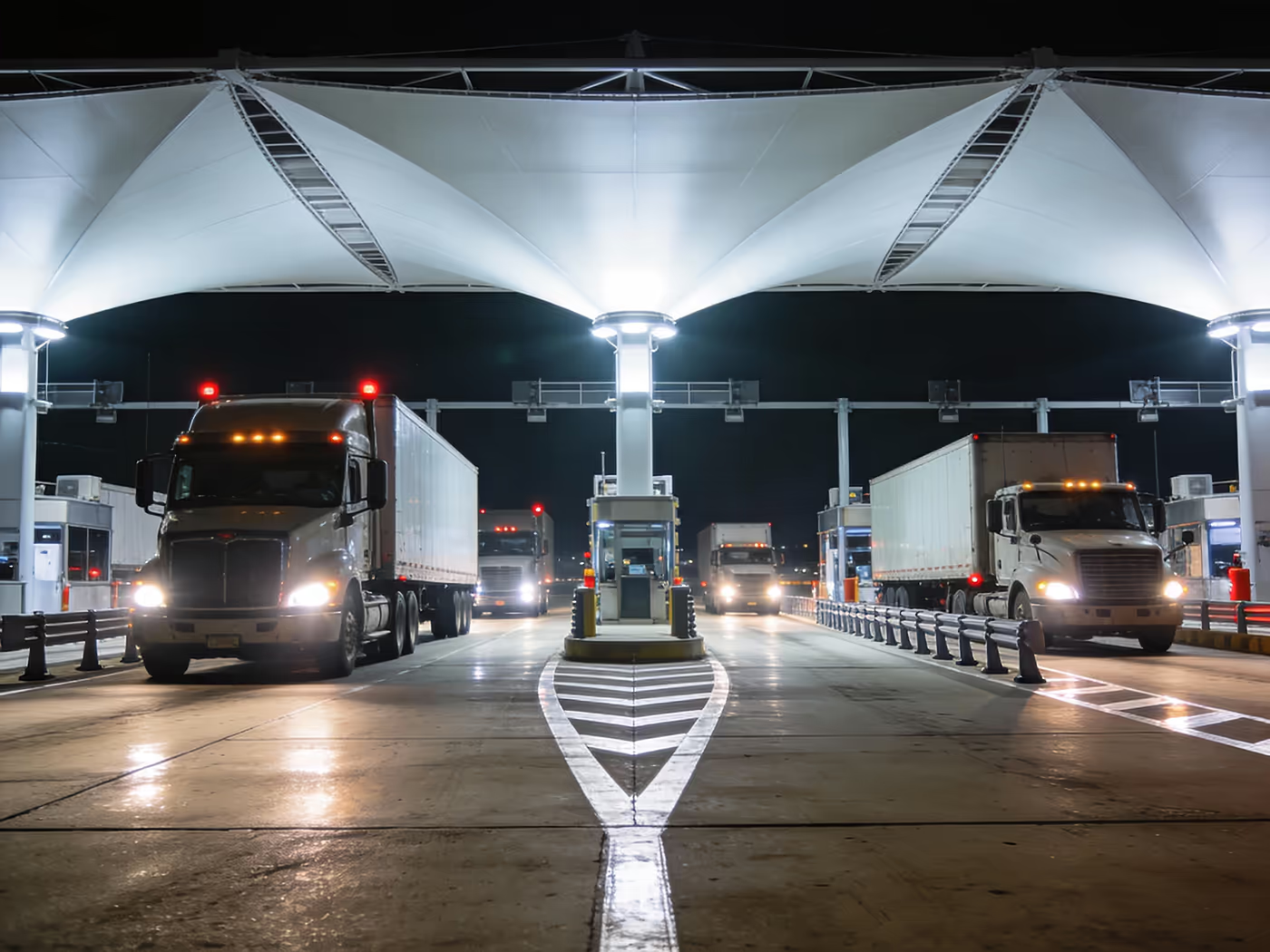
In the globalized era, political risk has increasingly become a factor that logistics service providers must consider when conducting cross-border operations. Undoubtedly, the transnational nature of logistics, especially in full truckload and less-than-truckload services, exposes companies to a myriad of regulatory environments, political climates, and geopolitical uncertainties.
Political risk in the context of cross-border logistics refers to the possibility that changes in a country’s political environment will impact the operating conditions and profitability of logistics firms. This includes factors such as trade barriers, regulatory changes, corruption,
instability, and even conflict.
Navigating the political risks of cross-border logistics necessitates a deep understanding of the delicate balance between geopolitics, economics, and supply chain optimization. Here's how political risk impacts cross-border logistics and how logistics professionals can effectively manage it.
Changes in trade and regulatory policies can significantly disrupt logistics services. For example, the sudden implementation of trade tariffs can raise the cost of cross-border transportation. Similarly, changes in customs regulations can lead to delays and increased paperwork, impacting delivery timelines and client satisfaction.
Cross-border tensions and conflicts pose serious risks to logistics operations. In worst-case scenarios, conflict can stop or severely disrupt the flow of goods between countries. Even less extreme, it may lead to increased security checks and delays in border crossings.
Political instability, such as a sudden change in government or emerging protest movements, can disrupt cross-border logistics. Uncertainty about future policies can lead to hesitations in investing or expanding in a given region, affecting long-term logistics strategy.
Understanding these challenges is the first step in managing cross-border logistics' political risk. The next step is deploying strategies to mitigate risk and manage uncertainties.
Regularly updating the knowledge base about the geopolitical landscape and regulatory environment of the countries in which they operate is crucial for logistics professionals. This reduces surprises and allows for proactive planning.
Diversifying cross-border operations minimizes reliance on a single route or country. This could involve diversifying supply chain sources and establishing alternative routes.
Utilization of warehousing services can provide a buffer against unexpected changes and interruptions. Warehousing solutions can help manage inventory and ensure continuity of supply during periods of turmoil.
Regular risk assessments help in understanding and planning for potential political upheaval. Implementing a robust risk management plan can help logistics companies adapt quickly to changes in the political landscape.
In conclusion, political risk is an unavoidable part of cross-border logistics. However, with proactive strategies and planning, logistics professionals can manage this risk, ensuring smooth and timely deliveries while maintaining profitability.
With solutions like full truckload, less-than-truckload, and warehousing services, ADL can help navigate the uncertainties that stem from political risks, providing reliable cross-border logistics services.
To understand how ADL can support your cross-border logistics needs, you can request a quote today.


