
by
American Diamond Logistics
on
February 23, 2026
•
0 min read

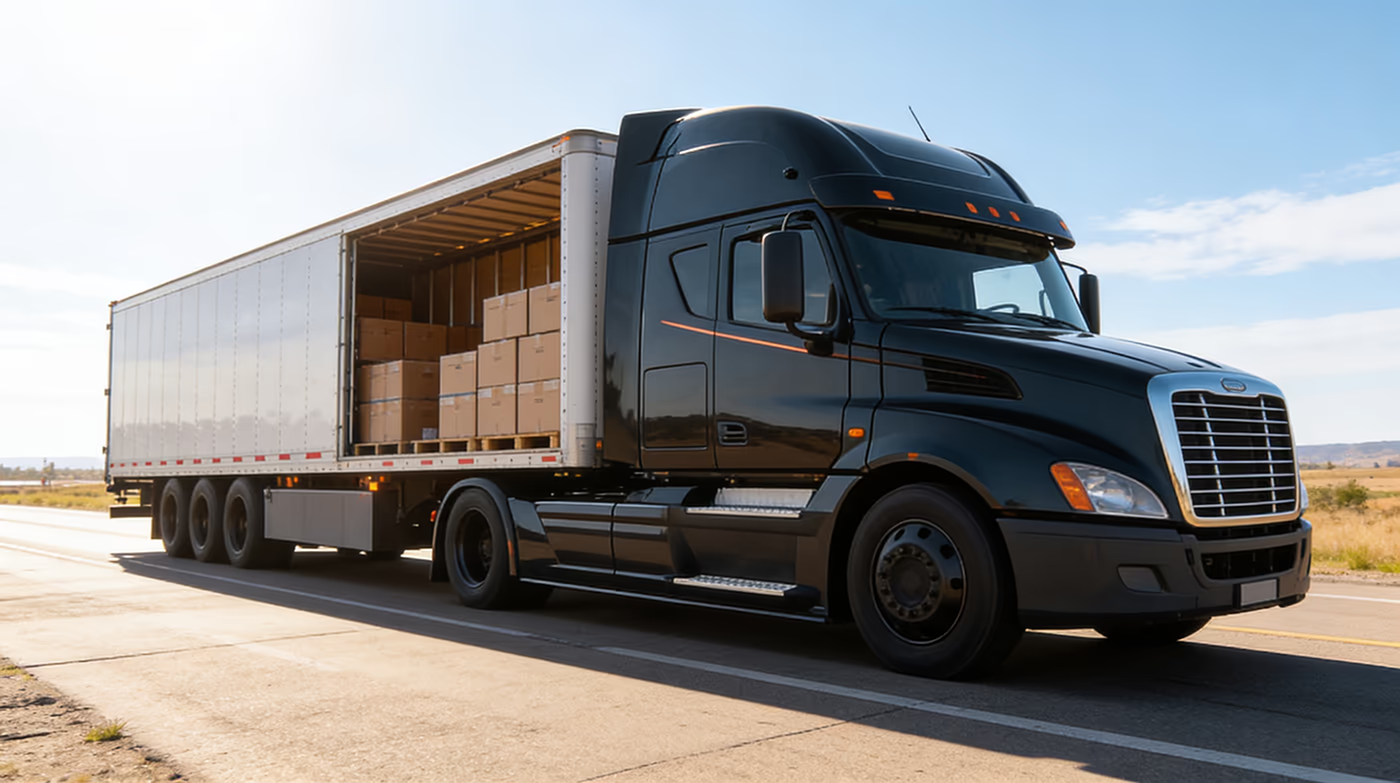
Driving operational efficiency remains a top priority for any logistics professional. As competition intensifies and customer demands for fast and cost-effective shipping rapidly increase, there is a pressing need to explore and implement strategies that maximize efficiency. One such strategy is load consolidation, combined with cube utilization, can drastically improve logistics processes and reduce costs.
Load consolidation involves combining multiple smaller shipments that are all headed in the same direction into a larger, single shipment. This method not only maximizes the available space in transport vehicles but also reduces costs as shipping small, less-than-truckload (LTL) shipments can often be more expensive than shipping full truckloads.
Additionally, consolidation minimizes the number of stops a driver has to make, reducing the amount of time taken for deliveries and improving the overall efficiency of transportation logistics. Plus, by reducing the number of vehicles needed, it contributes to an organization’s green initiatives by decreasing carbon emissions. For more information on full and less-than-truckloads, follow the links here: full truck load and less than truck load respectively.
Cube utilization, on the other hand, refers to the efficient use of space within a shipping container or vehicle. It involves carefully planning and arranging shipments to occupy the whole cubic space. That includes not just the floor area of a truck or container, but the vertical space as well.
Using sophisticated planning systems and software, logistics professionals can create a 3D layout view of how to stack products. This planning maximizes every inch of available space, leading to cost savings and more efficient transportation.
When combined, load consolidation, and cube utilization take operational efficiency to new heights. By consolidating shipments and ensuring an optimized use of space, you can realize maximum cost savings and deliver more value to your customers.
These practices also open up opportunities for better inventory management. Warehouse spaces can also be used more efficiently with skilled cube utilization, ensuring the optimal arrangement of stored goods and effective use of storage. Explore this link for more insights on warehousing.
In the never-ending quest to improve efficiency and maintain competitiveness, logistics companies must continue to innovate and find ways to optimize their operations. Load consolidation and cube utilization represent practical methods to achieve these goals. Understanding and implementing these strategies can offer significant cost and operational benefits, thus presenting a win-win scenario.
Remember, however, that each organization is unique and what works for one may not necessarily work for all. Therefore, a careful analysis of an organization’s specific needs, capabilities, and constraints should be conducted before implementing these practices.
If you're exploring ways to boost your operations, consider seeking a quote for professional assessment and implementation of load consolidation and cube utilization.


