
by
Steve Wineriter
on
November 24, 2025
•
0 min read

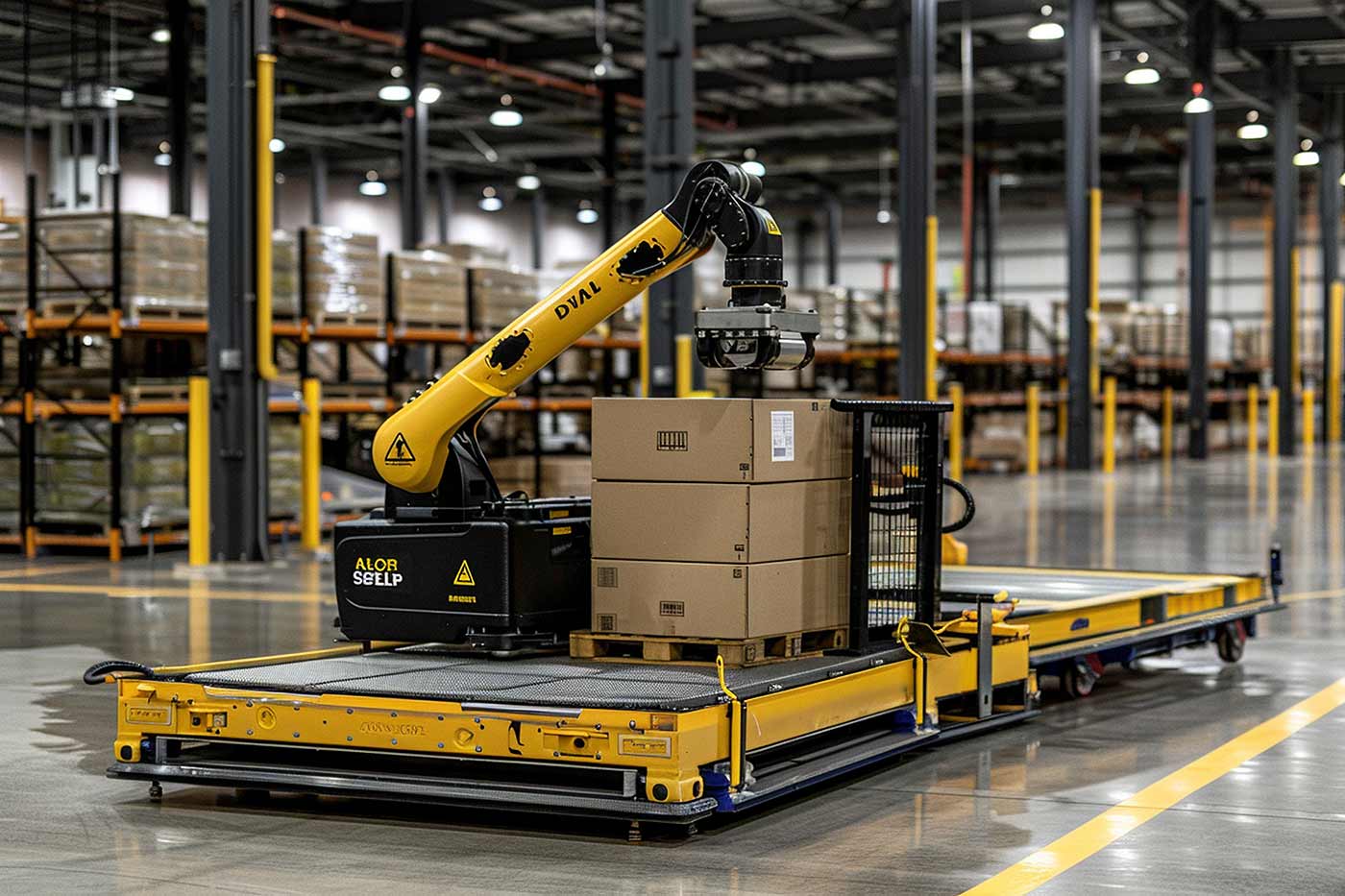
Many organizations in the logistics industry are integrating automated palletization systems. The core reasons relate to increasing efficiencies, accuracy, and competitiveness in the fast-evolving logistics market. This technology is not without its challenges. We will explore precisely what automated palletization systems bring to the logistics table and the potential benefits and drawbacks of investing in them.
Automated palletization systems refer to machines that stack goods onto pallets in a predetermined and precise manner before distributing them for transportation. It eliminates manual stacking efforts, reduces errors, speeds up processes, and enhances safety.
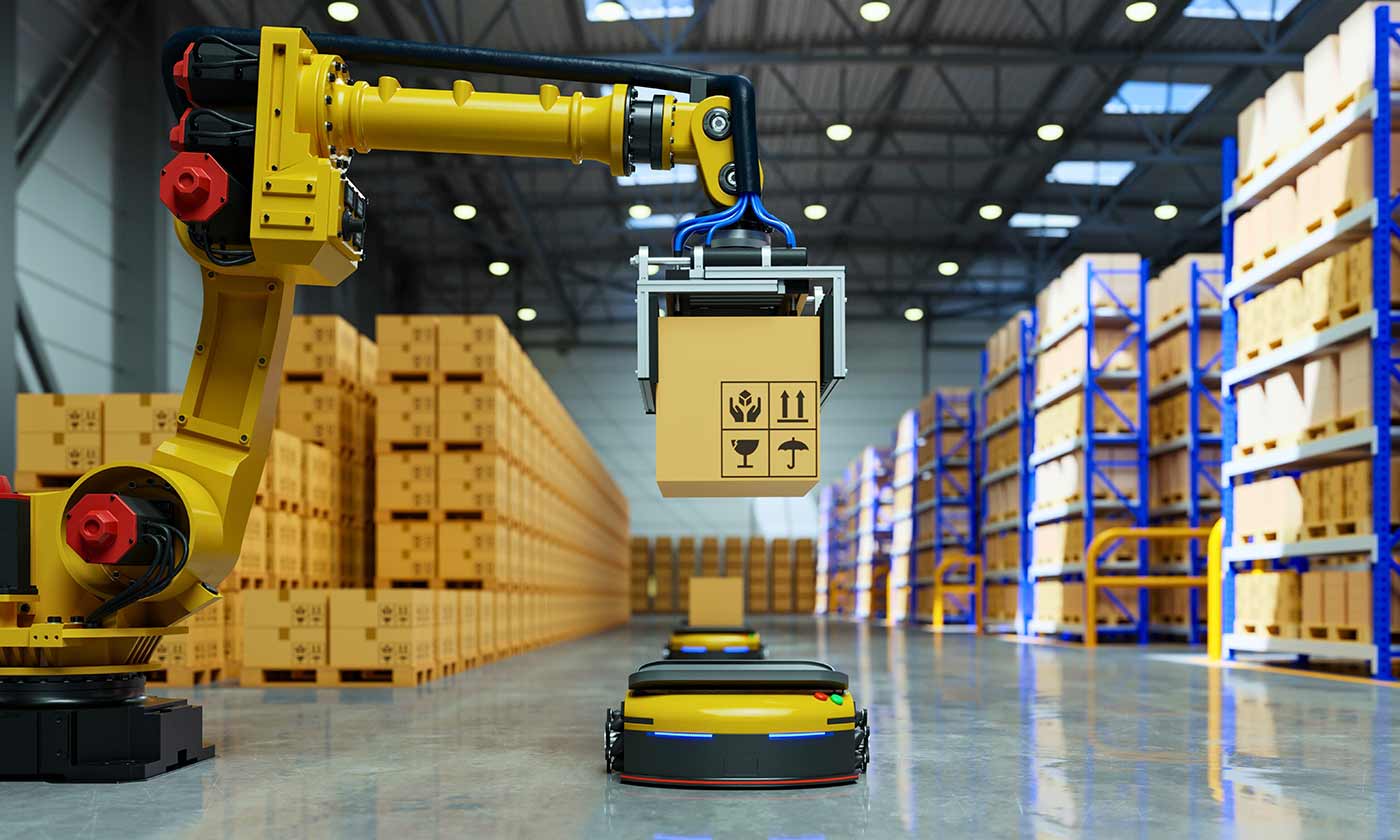
Despite the associated challenges, investing in automated palletization systems can reap significant benefits and revolutionize logistics operations, as well as positively impacting full truckload and less-than-truckload services.
In conclusion, the implementation of automated palletization should be based on a company’s specific needs, operational capacity, and long-term goals. It is also crucial to keep abreast of advancements in this area, in order to adapt effectively and maintain competitiveness in the logistics market.


